
Businesses often turn to automation because they want repetitive work handled faster, with fewer errors and less manual effort. But implementing an automation system is only the beginning. Once workflows are running, businesses still need updates, monitoring, troubleshooting, and improvements. 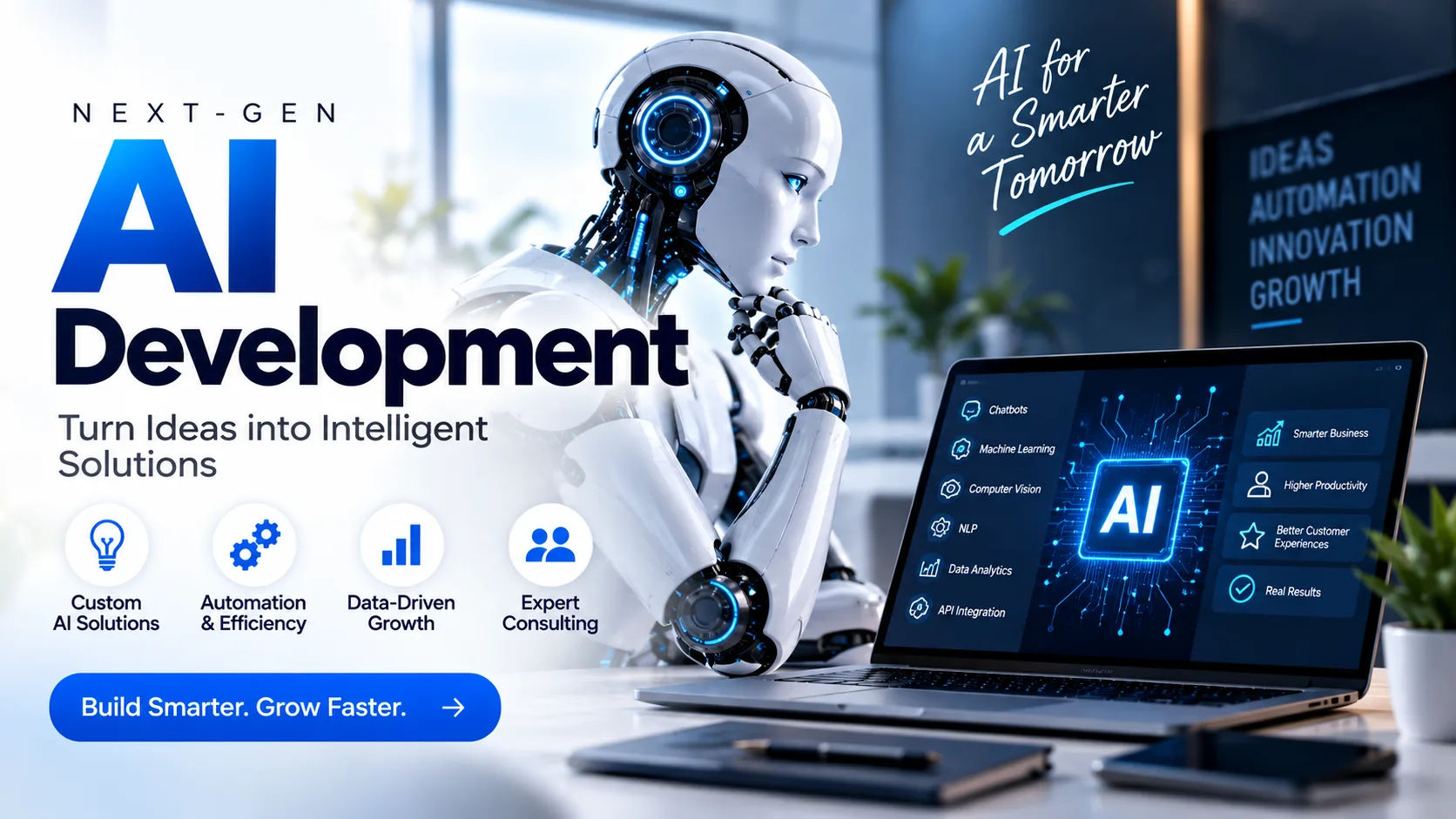 This is where an ai automation consultant can become an important long-term resource rather than someone who simply builds an automation system and leaves.
Maintenance can be especially important when an automated workflow connects several applications, databases, APIs, or internal systems. A small change in one connected platform can sometimes cause an entire workflow to stop working. Regular maintenance helps identify these problems before they create serious operational delays.
So, does an ai automation consultant provide maintenance? In many cases, yes. However, maintenance services vary between consultants and service agreements. Some provide ongoing monitoring and support, while others offer maintenance only when requested or charge separately for post-launch assistance.
What Does Automation Maintenance Mean?
Automation maintenance involves keeping an automated workflow functional, secure, accurate, and aligned with the business processes it supports.
An automation that works perfectly when launched may not continue working indefinitely without attention. Software platforms release updates, APIs change, employee responsibilities shift, and business processes evolve.
Maintenance is the work required to keep the automation useful as those changes occur.
For example, imagine a company has an automated system that receives customer information from a website, adds the information to a CRM, sends a notification to a sales representative, and creates a follow-up task.
If the CRM changes its API or modifies a required field, the automation may stop transferring information correctly. Maintenance can identify the issue, adjust the integration, and restore the workflow.
Why Automation Needs Ongoing Attention
Automation is often treated as something that can be built once and forgotten. That approach can work for very simple workflows, but more complex systems usually need ongoing management.
An automation may depend on external software, cloud services, authentication credentials, APIs, databases, and artificial intelligence models.
Any of these components can change.
Even when the underlying technology remains stable, the business itself may change. A company might introduce a new approval process, add another department, change its CRM, or modify how customer information is collected.
Maintenance ensures that automation continues to match the way the organization actually operates.
What Maintenance Can an AI Automation Consultant Provide?
The specific services depend on the consultant and contract, but ongoing maintenance can cover several areas.
Workflow Monitoring
An ai automation consultant may monitor automated workflows to determine whether they are operating correctly.
Monitoring can identify failed tasks, unusual activity, delays, incomplete records, or repeated errors.
This is particularly useful for workflows that operate outside normal business hours. A problem that occurs at midnight should not necessarily remain unnoticed until employees arrive the following morning.
Monitoring can help businesses respond more quickly when something goes wrong.
Troubleshooting Failed Automations
Automated workflows can fail for many reasons.
A connected application might be unavailable. An API could return an error. An authentication token may expire. A field could be renamed. An input may also contain information the workflow was not designed to handle.
An ai automation consultant can investigate the cause rather than simply restarting the workflow.
Proper troubleshooting also involves determining whether the failure is an isolated incident or evidence of a larger problem.
Updating Integrations
Integrations are one of the areas most likely to require maintenance.
Businesses often connect tools such as customer relationship management platforms, accounting software, communication systems, project management applications, databases, and internal systems.
When one of these platforms changes how it communicates with another application, an existing integration may require modification.
An ai automation consultant can review the affected workflow, identify what changed, and update the integration so information continues moving correctly.
AI Model and Prompt Adjustments
AI-powered automation can require a different type of maintenance.
An AI workflow may use prompts, classification rules, extraction instructions, models, or validation processes. Over time, the quality of results may change because business requirements or AI technology changes.
For example, a company might initially use AI to classify incoming customer inquiries. Later, the company may introduce new product categories.
The automation may then need updated instructions so the AI can correctly recognize the new categories.
An ai automation consultant can review outputs and make adjustments when the system is no longer producing the desired results.
Is Maintenance Usually Included in the Original Project?
There is no universal rule.
Some consultants include a limited maintenance period after implementation. Others offer a monthly support package, while some provide maintenance on an hourly or project basis.
This is why businesses should review the agreement before assuming maintenance is included.
A project proposal might cover system design, development, testing, and launch without including long-term support.
Another agreement might include several months of monitoring and troubleshooting.
The difference can have a significant effect on the total cost of automation.
What to Check in a Service Agreement
Before hiring an ai automation consultant, businesses should ask exactly what happens after the automation goes live.
The agreement should make clear whether ongoing monitoring is included and how technical problems are handled.
It is also useful to understand response times, support hours, update policies, pricing, and whether software changes are covered.
Businesses should ask whether new workflow requirements are considered maintenance or a separate development project.
For example, fixing a broken integration might reasonably fall under maintenance. Building an entirely new workflow may be considered additional development.
Clear definitions can prevent disagreements later.
How Often Does Automation Need Maintenance?
There is no single maintenance schedule that applies to every automation.
A simple internal workflow may require very little attention. A complex system handling financial transactions, customer communication, or large amounts of data may require more frequent monitoring.
The number of integrations is one factor.
The importance of the workflow is another.
A workflow that sends internal notifications may tolerate occasional downtime. A workflow responsible for processing customer orders may require much faster intervention.
An ai automation consultant can determine an appropriate maintenance approach based on the complexity and importance of the system.
Scheduled Maintenance
Scheduled maintenance involves reviewing an automation at planned intervals.
During a review, the consultant might examine error logs, integration status, workflow performance, AI outputs, access permissions, and recent software changes.
Scheduled reviews can also identify inefficient steps that were not obvious when the system was first launched.
This makes maintenance more than simply repairing broken workflows.
It can become an opportunity to improve the automation.
Can Maintenance Improve Automation Performance?
Yes. Maintenance can involve optimization as well as repairs.
An automation may continue functioning while becoming less efficient over time.
For instance, a workflow may contain unnecessary steps because the original process was designed around an older software configuration.
A consultant might remove redundant actions, simplify integrations, improve data validation, or redesign a section of the workflow.
An ai automation consultant can also examine where human intervention is still required and determine whether additional automation is practical.
However, more automation is not automatically better. A good maintenance process considers reliability, accuracy, cost, and business value.
What Happens When an Automation Breaks?
A strong maintenance plan should include a process for handling failures.
First, the problem needs to be detected.
Next, the affected workflow should be identified. The consultant then determines what caused the failure and whether any information was lost, duplicated, or incorrectly processed.
The workflow can then be repaired and tested before being returned to normal operation.
For important systems, businesses may also need backup procedures.
For example, if an automated invoice process becomes unavailable, employees should know how to handle urgent invoices manually until the automation is restored.
An ai automation consultant can help design these fallback procedures as part of a broader automation strategy.
Does Maintenance Include Security?
It can, although businesses should confirm the exact scope.
Automation systems often have access to sensitive business information. They may connect to customer records, financial systems, employee information, or internal documents.
Maintenance may include reviewing authentication methods, access permissions, credentials, and integration configurations.
When a staff member leaves the organization, access associated with that person's account may also need to be reviewed.
Software and integration providers can also introduce new security requirements.
An ai automation consultant can help identify these changes and adjust the automation where appropriate.
Security maintenance should not be treated as an optional extra when automation has access to important business systems.
What Is the Difference Between Maintenance and New Development?
This distinction is important when discussing ongoing consulting services.
Maintenance generally means keeping an existing system operational or making reasonable adjustments to preserve its intended function.
New development usually means creating new capabilities.
Suppose an automated customer support workflow stops working because a CRM field has changed. Updating the workflow to accommodate that field would generally be considered maintenance.
If the business later decides that the same system should automatically create sales forecasts, that could be a new development project.
The exact definition depends on the service agreement.
An ai automation consultant should explain this distinction before ongoing support begins.
Why Businesses Should Not Ignore Automation Maintenance
Ignoring maintenance can create problems that are larger than the original automation issue.
A failed workflow can result in missing information, delayed responses, duplicate records, incorrect reports, or unfinished tasks.
In some cases, employees may not immediately realize that automation has stopped working.
This is particularly risky when automation operates quietly in the background.
A business might assume that information is being processed automatically when, in reality, a workflow has been failing for several days.
Regular monitoring reduces this risk.
Maintenance also protects the investment already made in automation. Businesses spend time and money designing workflows, integrating software, training employees, and testing systems.
Keeping those systems functional helps preserve that investment.
How to Choose an AI Automation Consultant for Ongoing Support
When comparing consultants, businesses should look beyond the initial implementation price.
Technical capability matters, but ongoing support also matters.
Ask whether the consultant provides monitoring, troubleshooting, software updates, AI optimization, documentation, and emergency support.
It is also worth asking how quickly support requests are normally addressed.
Businesses should understand whether support is available during working hours only or whether emergency assistance is available outside those hours.
Documentation is another important consideration.
A consultant should ideally document the major workflows, integrations, credentials management process, and important configuration decisions. Good documentation makes future maintenance easier.
Questions to Ask Before Signing
A business can ask several straightforward questions before entering a maintenance agreement.
Does the service include ongoing monitoring?
How are automation failures reported?
What is the expected response time?
Are integration updates included?
Are AI prompt and model adjustments included?
What happens if a third-party application changes its API?
Are security reviews part of the service?
How are maintenance fees calculated?
What types of changes are considered new development?
These questions help turn vague promises of "support" into a clearly defined service.
How Much Does Automation Maintenance Cost?
Maintenance pricing varies considerably.
Some consultants charge hourly rates. Others use monthly retainers or support packages.
The cost can depend on the number of workflows, integrations, users, applications, complexity, and required response time.
A company with a few simple automations may need only occasional support.
A larger organization with interconnected AI systems may require continuous monitoring and dedicated support.
Businesses should evaluate maintenance based on the importance of the automation rather than simply choosing the cheapest support option.
A low-cost arrangement may be appropriate for a low-risk workflow. Critical business processes may justify a more structured support agreement.
When Should a Business Consider Ongoing Maintenance?
Ongoing maintenance becomes especially useful when automation is central to daily operations.
It is also valuable when workflows depend on several third-party applications.
Companies experiencing frequent software changes, growing transaction volumes, or increasingly complex AI workflows may benefit from regular professional oversight.
A business does not necessarily need a full-time consultant.
In many cases, scheduled reviews combined with on-demand support can provide an appropriate balance.
The right arrangement depends on the organization's technical resources and the importance of its automated processes.
Conclusion
Yes, an ai automation consultant can provide maintenance, but the exact services depend on the consultant and the agreement between both parties. Maintenance may include monitoring workflows, fixing errors, updating integrations, adjusting AI instructions, improving performance, and addressing changes in connected software.
The important point is that automation should not always be viewed as a one-time installation. Modern automated systems often depend on multiple technologies that can change independently. APIs are updated, software platforms evolve, business processes change, and AI systems may require periodic adjustment.
For that reason, businesses should discuss maintenance before an automation project goes live. The service agreement should clearly explain what is included, how problems are handled, how quickly support is provided, and which changes will require additional development work.
An ai automation consultant can provide value beyond the original implementation when ongoing support is structured properly. Regular maintenance can help keep workflows reliable, identify problems early, protect system performance, and ensure automation continues to reflect the company's current needs.
Ultimately, the goal of maintenance is not simply to repair broken automation. It is to keep the entire system useful as the business, technology, and operating environment change. When businesses plan for maintenance from the beginning, automation can remain a practical business tool rather than becoming another system that employees have to constantly work around.